Social Media Is No Longer Social The Era of Algorithm First Content
For decades, the “social” in social media was literal. Brands focused on community management. Growing a follower count guaranteed an audience. Today, that model is almost obsolete. Social platforms have been transformed into recommendation engines.
Today, follower count is less relevant. If your content doesn’t capture the algorithm, it might as well not exist.
Rise of Algorithms
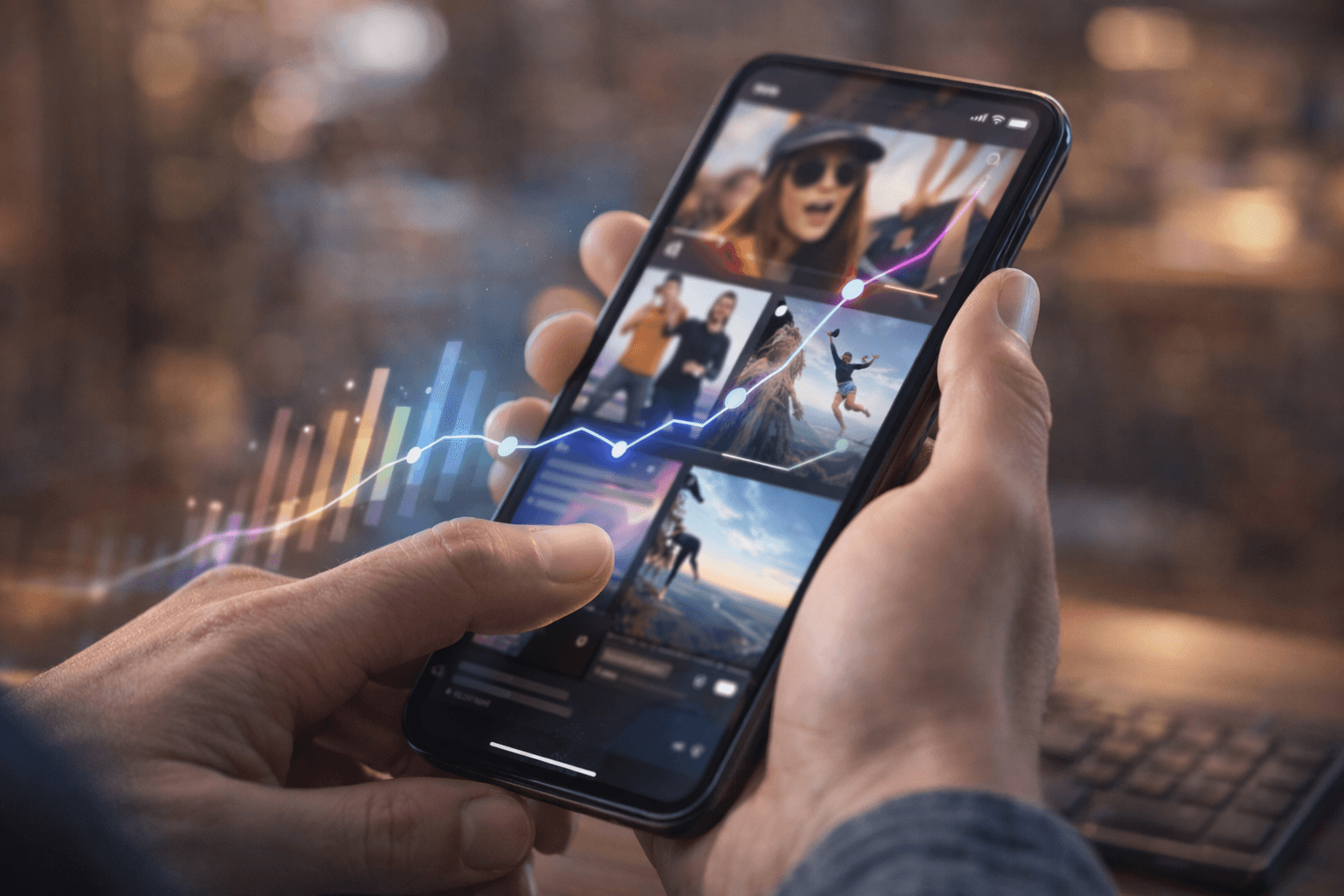
In 2026, accounts with millions of followers struggle to reach 500 views, while new accounts can go viral overnight. Platforms like TikTok, Instagram Reels, and YouTube Shorts optimize for engagement.
The show content to users based on interests rather than social connections. Algorithms rule: if a test audience engages, content is amplified. If not, it’s throttled.
Brands can no longer reach their audience automatically. They must earn it through algorithmic signals. Targeting is no longer about demographics or followers. Instead, brands create content specific to niche interests, effectively training the algorithm to deliver their content to ideal customers.
Social Networking to Content Entertainment
Brands must now act like media houses rather than friends. Attention is the new currency, and the feed is the battlefield.
Creative strategy is shifting in three key ways:
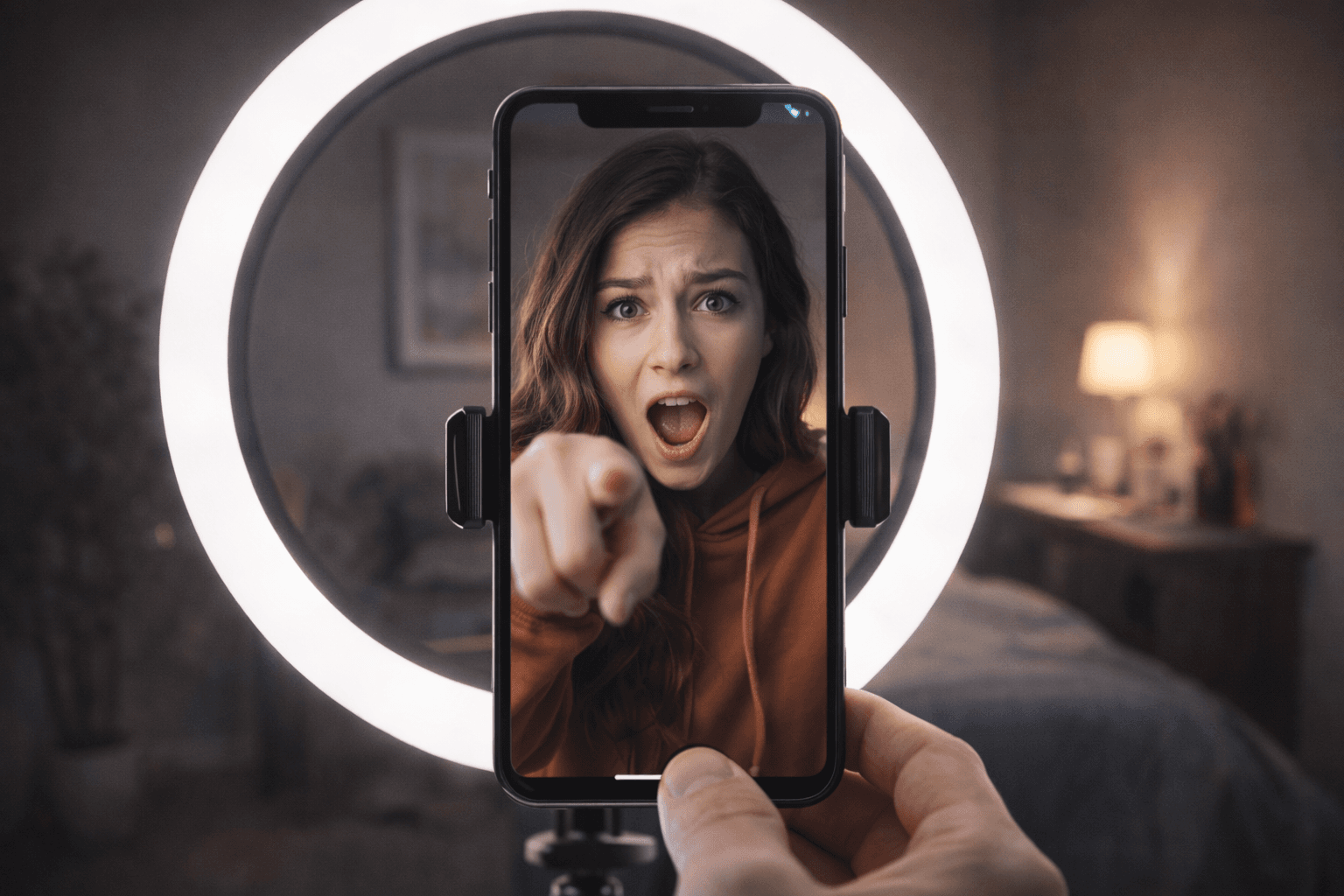
The 1.5-Second Hook
Human attention spans are lightning-fast. Content must stop the scroll immediately with a clear value proposition. Visuals, captions, and pacing all contribute to whether viewers continue watching.
High-Frequency, Low-Friction Production
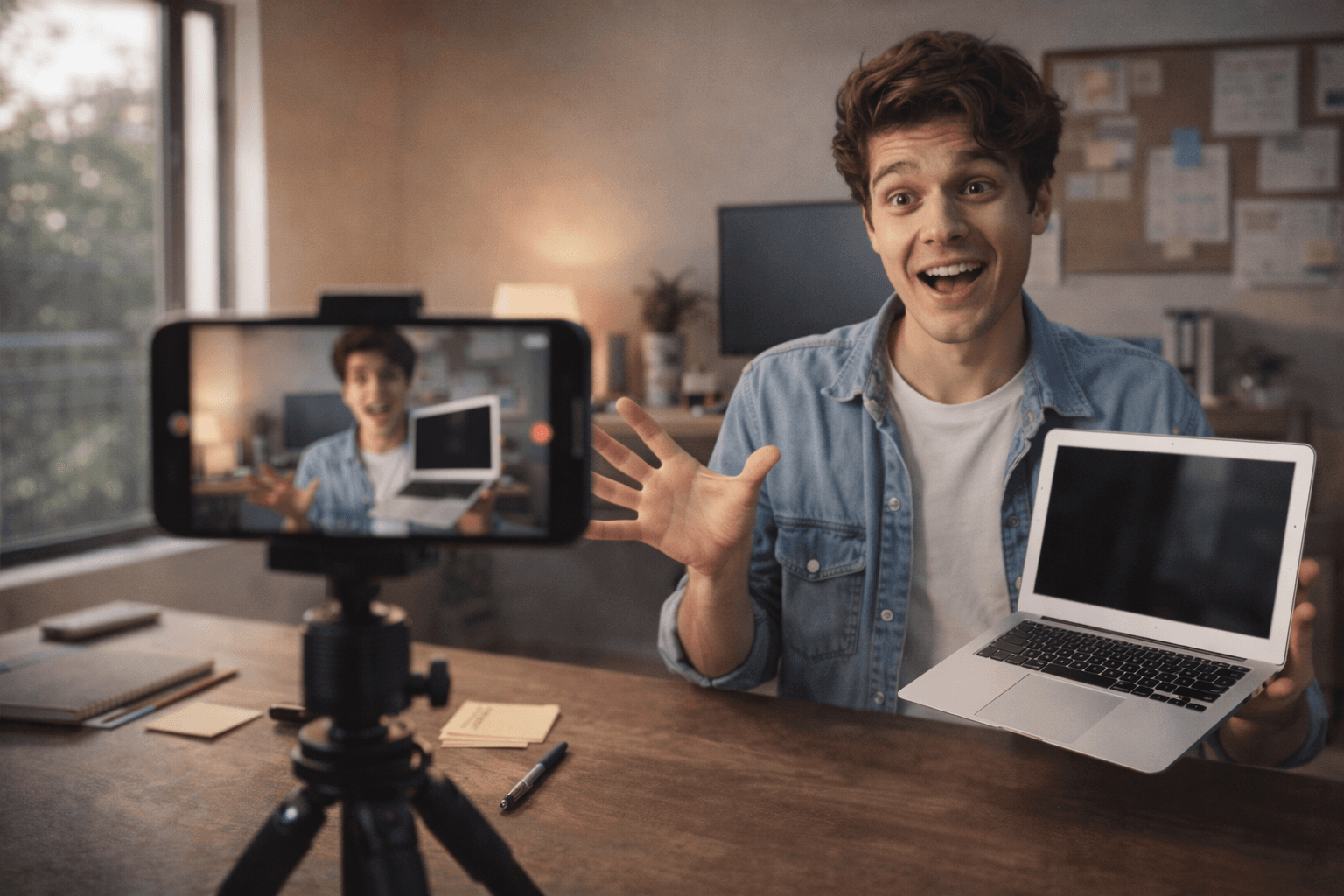
Quality is no longer measured by polish but by reach. Brands must produce raw, authentic short-form videos at scale for success. Algorithms are favoring consistent, local-feeling content over high-budget productions.
Entertainment Over Advertising
If it looks or feels like an ad, it will be suppressed. Successful brands deliver edutainment, storytelling, or micro-moments that educate, entertain, or inspire.
Authenticity Outperforms Polished Advertising
The algorithm favors human-centric content. Polished productions are less trusted, while behind-the-scenes footage, employee-generated content, and user-generated content resonate.
Conclusion: Adapting to the New Rules